Skip to content

Robin Wigglesworth – A Fabulous Debt

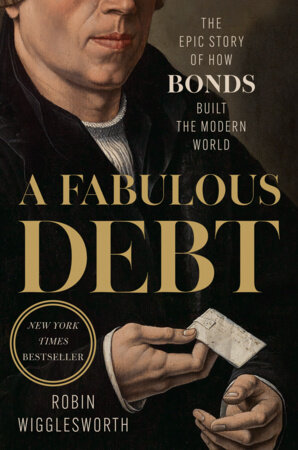
    The Epic Story of How Bonds Built the Modern World

    Interview with Robin Wigglesworth about his book A Fabulous Debt: The Epic Story of How Bonds Built the Modern World. Tells the story of the bond market’s beginnings in Venice and how the ability to issue and trade bonds was an essential aspect of its rise to power. Explains why historically bond markets and democracy have gone hand-in-hand. Innovations in how bonds are structured and traded also have the ability alter market fundamentals and explains how this happened with the US junk bond market pioneered by Michael Milken. Discusses likely future innovations, current bond market turmoil, and the implications for both the Fed and Treasury.
    Book cover

    Liaquat Ahamed – 1873

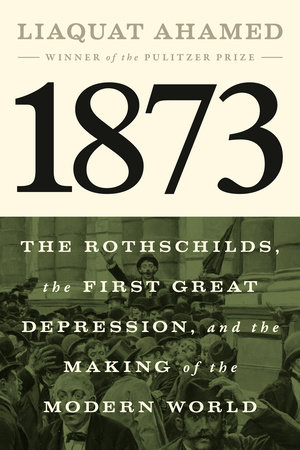
      The Rothschilds, the First Great Depression, and the Making of the Modern World

      Interview with Liaquat Ahamed about his book 1873: The Rothschilds, the First Great Depression, and the Making of the Modern World. Discusses the 1873 deflationary crisis that barely dented global growth but poisoned politics for a generation: Gladstone’s startlingly self-interested bet on Egyptian bonds, Bismarck’s role in destroying bimetallism and deflating the world economy for two decades, whether a global silver or symmetallic standard could have worked, Britain’s fateful decision to re-peg the pound to gold in 1926, Hjalmar Schacht’s transformation from the economist who stabilized Weimar’s currency to opportunist collaborator with the Nazi regime, Montagu Norman’s spiritualist beliefs, why the 1920s produced such a creative cultural moment, lessons from the IMF on Ireland’s housing bubble and Pakistan’s two dozen bailouts, what went wrong in the eurozone crisis, and Britain’s baffling modern stagnation.

      Book cover

      Liaquat Ahamed – 1873

        The Rothschilds, the First Great Depression, and the Making of the Modern World

        Interview with Liaquat Ahamed about his book 1873: The Rothschilds, the First Great Depression, and the Making of the Modern World. Ahamed explores how the 1870s financial boom, fuelled by infrastructure projects like railways and the bond market’s democratisation, culminated in the Panic of 1873. He highlights the Rothschilds’ European dominance and J. Cook’s American entrepreneurialism, noting that the Franco-Prussian War’s massive indemnity and Germany’s subsequent demonetisation of silver exacerbated a profound global depression. This crisis had far-reaching consequences, including the rise of antisemitism and Jim Crow, offering crucial lessons for today’s AI-driven economy and monetary policy challenges.

        Book cover

        See also the Meb Faber episode.

        Renée M. Jones – Untamed Unicorns

          Why Startup Finance Is Broken and How to Fix It

          Interview with Renée M. Jones about her book Untamed Unicorns: Why Startup Finance Is Broken and How to Fix It. Argues that the current dysfunction in startup finance stems primarily from the deregulation of private markets, not over-regulation of public markets. This deregulation allows companies like Theranos and FTX to grow privately for extended periods, operating without transparency and avoiding mandatory disclosure. Such secrecy enables founders to accumulate power, engage in anti-competitive or unethical practices, and extract value through wasteful spending and self-dealing, all while remaining unaccountable. These changes weaken corporate governance, encouraging fraud and inefficient capital allocation, ultimately transferring risk to ordinary investors as private market assets seek liquidity in 401(k) plans.

          Book cover

          Liaquat Ahamed – 1873

            The Rothschilds, the First Great Depression, and the Making of the Modern World

            Interview with Liaquat Ahamed about his book 1873: The Rothschilds, the First Great Depression, and the Making of the Modern World. Discusses the world’s first truly global financial crisis: the Rothschild-led bond boom that funded railroads on three continents, the German IPO mania sparked by French war reparations, and the monetary blunder of abandoning silver that turned a crash into twenty years of deflation.

            Book cover

            John Campbell & Tarun Ramadorai – Fixed

              Why Personal Finance Is Broken and How to Make It Work for Everyone

              Interview with John Campbell and Tarun Ramadorai about their book Fixed: Why Personal Finance Is Broken and How to Make It Work for Everyone. Argues the financial system is rigged against ordinary households, exploiting cognitive biases and product complexity for profit, exacerbating inequality. Many make costly mistakes in areas like mortgages and retirement savings, unknowingly subsidising others. Education alone is insufficient; instead, simpler, standardised financial products, like those in the pharmaceutical market, and clear government regulation are vital. Suggests this systemic failure contributes to widespread distrust in institutions and the market economy.

              `
              Book cover

              Jill Eicher – Mellon vs. Churchill: The Untold Story of Treasury Titans at War

                A Book with Legs | 16 June 2025 | 1h 09m | Listen Later | Podcasts | Spotify
                Interview with Jill Eicher about her book Mellon vs. Churchill: The Untold Story of Treasury Titans at War. Explores the never-before-told story of heated debates between Andrew Mellon and Winston Churchill over post-WWI debts. Discusses how each side of the dispute crafted narratives to shape public opinion, their differences in leadership philosophy, and more.

                Michael Lewis – The Big Short

                  Against the Rules with Michael Lewis | 16 December 2025 | 0h 41m | Listen Later | Podcasts | Spotify
                  Interview with Michael Lewis about his book (and movie) The Big Short: Inside the Doomsday Machine. Revisits the story, the human characters behind the financial crisis, and how their personalities shaped events. Reflects on the political aftermath, the failures of Wall Street, and his reporting process. Includes an excerpt from the audiobook.