Skip to content

Dan Chiasson – Bernie for Burlington

    The Rise of the People’s Politician

    Interview with Dan Chiasson about his book Bernie for Burlington: The Rise of the People’s Politician. Chronicles Bernie Sanders’ journey from a working-class Brooklyn boyhood, shaped by cramped living conditions and intellectual influences like Marx and Freud, to becoming a distinctive Vermonter. Explores Sanders’ unlikely hero, Republican George Aiken, and how Vermont’s deliberate self-marketing as rural fostered an independent political spirit. Details Sanders’ early career in Burlington, winning the mayoral office by a narrow margin with a unique coalition. Highlights Sanders’ consistent critique of American political and economic systems, his two presidential campaigns, and the enduring tension with the Democratic Party.
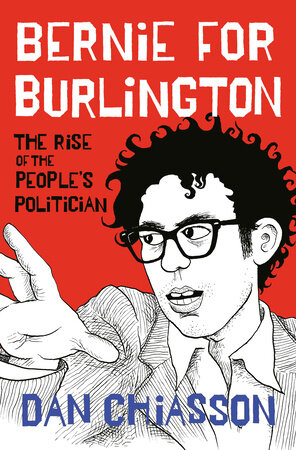
    Book cover

    Joshua Specht – Property Values

      The Rise and Fall of the American Homeowner

      Interview with Joshua Specht about his book Property Values: The Rise and Fall of the American Homeowner. traces how land ownership became central to American independence, shifting from widespread prosperity to property appreciation. Discusses colonial land speculation, Native American displacement, and the frontier’s closing. Explores Henry George’s critique of land monopoly and visions from Bryan and Addams. The New Deal’s mortgage reforms created an “ownership society”, yet propagated exclusion through redlining and tax limitations like Proposition 13. Homeowners’ associations privatised governance. The 2008 financial crisis exposed financialisation flaws, where individual blame obscured systemic issues. Advocates for regional housing policies and greater density.

      Book cover

      Anand Gopal – Days of Love and Rage

        A Story of Ordinary People Forging a Revolution

        Interview with Anand Gopal about his book Days of Love and Rage: A Story of Ordinary People Forging a Revolution. Explores the Syrian Revolution, focusing on the city of Manbij. Details the protest movement’s transformation from a brutal Ba’athist dictatorship to a brief democratic experiment, its internal divisions, and the subsequent rise of ISIS. Discusses his immersive research methods, highlighting individual stories that reveal the nuanced complexities of freedom, democracy, and tyranny. Reflects on how reporting on the conflict compelled him to re-evaluate his understanding of these fundamental concepts.

        Book cover

        Phil Tinline – Andy Burnham’s Great Power Struggle

          Interview with Phil Tinline about his Prospect article Andy Burnham’s Great Power Struggle. Discusses how Andy Burnham’s theory of power, shaped by the Hillsborough tragedy and his mayoral tenure, posits that parliamentary whipping effectively puts 50-odd unelected Whitehall mandarins in charge, governing in the interest of the southeast of the UK. Argues that Burnham’s worldview is too narrow, targeting only Whitehall mandarins while ignoring private corporate dominance. Suggests that to combat right-wing populism, Burnham must successfully weave concrete economic reforms into a compelling narrative of structural change.

          Annie Lowrey – The Time Tax

            How the Government Wastes Our Time―and How to Fix It

            Interview with Annie Lowrey about her book The Time Tax: How the Government Wastes Our Time – and How to Fix It. Details how bureaucratic hurdles in government services impose a ‘time tax,’ functioning as a regressive tool of social control. These burdens are often punitive, making access difficult and eroding public trust, especially among vulnerable populations.

            Book cover

            Matt Zwolinski – The Individualists

              Radicals, Reactionaries, and the Struggle for the Soul of Libertarianism

              Interview with Matt Zwolinski about his book The Individualists: Radicals, Reactionaries, and the Struggle for the Soul of Libertarianism, co-authored with John Tomasi. Argues that libertarianism is best understood not as a single philosophy, but as a “family resemblance” defined by six core features – free markets, private property, negative liberty, individualism, scepticism of authority, and spontaneous order. Highlights the movement’s diverse intellectual history, demonstrating significant internal disagreements on fundamental concepts like property rights, often stemming from differing historical contexts such as American libertarianism’s anti-slavery origins versus European anti-socialism.

              Book cover

              Dwight Macdonald – Atrocities of the Mind

                Essays on Violence and Politics in the American Century

                Interview with John Summers about his edited collection of Dwight Macdonald essays, Atrocities of the Mind: Essays on Violence and Politics in the American Century. Discusses Dwight Macdonald’s incisive mid-20th-century critiques of American society, politics, and culture. Details Macdonald’s intellectual journey from Trotskyist to conservative anarchist, his views on the permanent war economy, societal automatism, and the erosion of individual agency. Highlights Macdonald’s prescient insights into mass poverty, war’s brutality – even within democracies – and the critical role of independent intellectual inquiry in shaping public discourse.

                Book cover

                Kiri Allan – Go Hard or Go Home

                  Interview with Kiri Allan about her book Go Hard or Go Home: My Story. Discusses hitting rock bottom after her car crash and subsequent resignation from parliament, attributing it to burnout and a deep sense of responsibility. Emphasises the isolating nature of leadership and the intense demands of political life – long hours, constant advocacy, and unseen work – to foster a healthier society. Expresses pride in legislating Matariki and her youth justice initiatives, but regrets having to advocate for a policy she opposed. Highlights public misconceptions about politicians’ genuine intent and the arduous nature of their work.

                  Book cover

                  For a more in-depth interview, I recommend the Dom Harvey podcast episode.